The Myth of the Timeless Wardrobe
The timeless wardrobe is not outside fashion: learn to read its choices about use, taste and change, and build a closet that suits your actual life.
The most common mistake in building a timeless wardrobe is treating “timeless” as a neutral dress code. The result can be a closet full of sensible-looking clothes that do not suit your work, weather or appetite for change. A timeless wardrobe still makes choices; the useful question is whose choices it reflects and whether they serve you.
Look closely at the familiar proposal: a dark jacket, plain knitwear, a white shirt, straight-leg trousers, simple shoes. These pieces may be presented as beyond fashion, yet their shapes, fabrics and styling belong to particular moments and social settings. Calling them timeless can make a preference sound like a rule.
Neutral is still a style
Neutral colours, restrained details and clean lines are often treated as an absence of style. They are not. A charcoal coat with sharp shoulders makes a different impression from a loose camel coat; both may be called classic, but they express different ideas about formality, ease and authority.
The language of timelessness often favours clothes that are quiet in colour and recognisable in shape. That can be appealing if you enjoy a restrained wardrobe. It can also make brighter colours, ornament, softness or deliberate novelty seem like mistakes rather than legitimate preferences.
Try describing a garment without using “classic” or “trendy”. Note its colour, cut, fabric, degree of formality and the occasions it suits. This turns a vague judgement into a set of visible choices.
Use gives clothes meaning
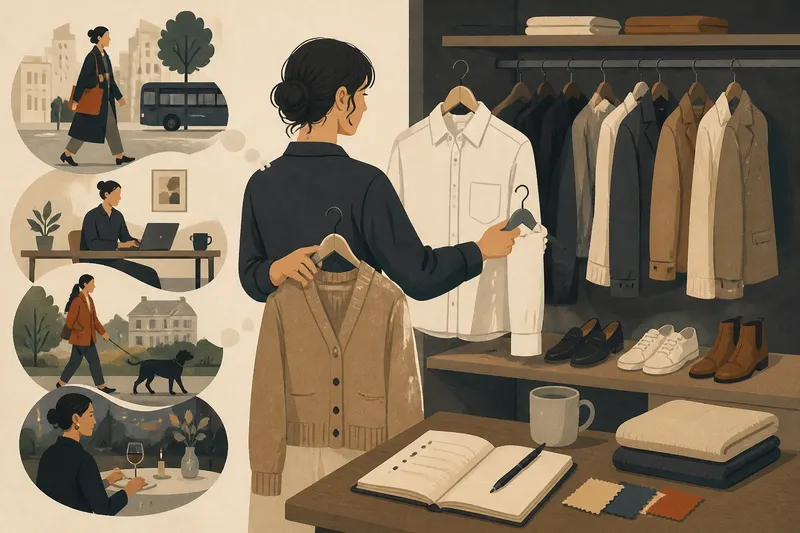
A garment’s usefulness is not an abstract quality. It depends on where you go, what you do and how you like to feel while doing it. A crisp shirt may work well for an office with a formal dress code and feel fussy on a cycle commute. A washable cotton dress may be a dependable choice for one person and an awkward one for someone whose days involve kneeling, lifting or outdoor work.
Before adopting a capsule wardrobe list, sort your week by actual occasions. Include repeated, ordinary tasks: travelling to work, caring for someone, walking a dog, attending a class or relaxing at home. The point is not to make every activity a separate uniform. It is to check whether the proposed staples correspond to your life rather than an idealised version of it.
Say you work from home, walk to local shops and attend occasional dinners. Imagine your current wardrobe is heavy on office shirts but short on comfortable layers. Replacing a shirt you rarely wear with a cardigan that works indoors and outdoors is a practical adjustment; the expected visible result is more outfits you can reach for during a normal week. The example is not a formula: the relevant change depends on your own routines.
Fit and finish have histories
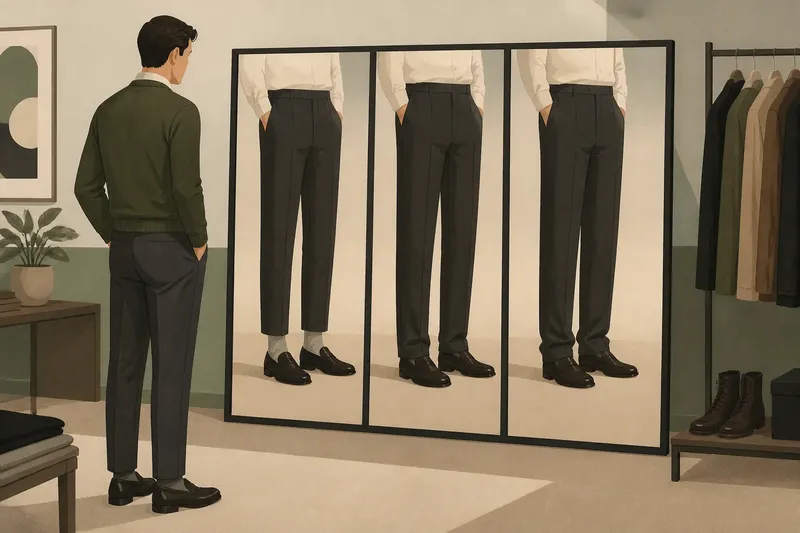
“A good fit” is sometimes described as though it were a fixed standard. In practice, preferences change: a close shoulder, a roomy sleeve or a long jacket may read as polished, relaxed or dated depending on the clothes around it and the wearer’s taste. Fit also has to accommodate movement, layering and personal comfort.
Fabric and construction shape the impression too. A wool coat with a firm structure can feel formal; a soft, unlined version may read as casual even in a similar colour. Smooth leather, worn canvas, visible mending and crisp cotton each carry associations. They are not simply better or worse degrees of timelessness.
When assessing a piece, move in it as you would in its intended setting. Sit, reach and layer it over something you already wear. Check whether the fabric’s care needs fit your habits, and whether you like its appearance after ordinary use rather than only on a hanger.
How do wardrobe staples change?
Are basics really fashion-free?
No. A basic is a garment made to work easily with other clothes, but its proportions and details still reflect a style preference. Compare the rise of trousers, the width of a shirt or the shape of a collar rather than assuming the category itself is neutral.
Should I buy only classic pieces?
Only if that describes what you enjoy wearing. A wardrobe can include familiar staples alongside expressive pieces, and the balance can shift as your routines or tastes change.
How can I tell whether a staple suits me?
Ask where you will wear it, what it needs to work with and whether you like its actual cut. If the answer depends on an imagined future routine, pause before treating it as essential.
What should I do with clothes that feel dated?
Decide whether the issue is the garment’s condition, its fit or simply its current styling. You might alter, restyle, store or pass it on; no single response suits every piece or wearer.
Maintenance is part of style
Timelessness is often attached to durability, but a garment that lasts is not automatically useful. A coat can remain intact while its wearer’s needs change; a beloved knit can become less comfortable as its shape or condition shifts. Longevity describes persistence, not an obligation to keep wearing something.
Care can also influence whether a supposed staple earns its place. Read the care label and follow the manufacturer’s instructions. If a delicate fabric needs attention you dislike managing, that inconvenience belongs in the decision alongside its colour and cut.
Keep a small note on items that repeatedly go unworn: perhaps they crease too easily, feel restrictive on public transport or need shoes you rarely choose. This is more informative than blaming yourself for failing to wear a “forever” piece. Remove friction where you can, and let the note guide future purchases.
Change can be deliberate
Wardrobes change as bodies, work, climate, budgets and interests change. That is not a failure of taste or proof that a previous purchase was foolish. Clothes are used in time, and a once-useful choice can stop fitting the circumstances around it.
Instead of asking whether an item will always be fashionable, ask what kind of change you are comfortable with. Would you rather choose a familiar shape that you may wear in different settings, or a distinctive piece that gives you pleasure now? Either answer is reasonable; the trade-off is personal.
When something no longer serves you, look at the reason before deciding what to do. A sleeve that needs shortening is different from a colour you no longer enjoy; a sound garment that feels too formal may work in a different combination. If you pass a piece on, consider whether its condition and care needs are clear to the next owner.
Read the sales language
Words such as “investment”, “forever” and “essential” can turn preference into pressure. They may imply that buying a certain garment is a mark of good judgement, or that choosing something playful is less responsible. Treat them as prompts to inspect the product, not as evidence that it belongs in your wardrobe.
Ask what the description leaves out. Does “versatile” mean suitable for your real occasions, or merely easy to style in a photograph? Does “classic” refer to a cut you like, or to a look the seller expects you to recognise? Does “investment” explain how you will use and care for the garment, or only make a purchase sound weighty?
- Occasion: Name the ordinary situation where you would wear it.
- Pairing: Identify clothes and shoes you already own that work with it.
- Comfort: Check the fit while moving, not only while standing still.
- Care: Decide whether the fabric’s maintenance suits your habits.
- Appeal: Ask whether you like the garment itself, not just the promise that it will last.
The timeless wardrobe is best understood as a personal editing choice, not a destination beyond fashion. If a restrained set of clothes makes dressing easier and feels like you, keep refining it. If your taste calls for colour, shifting silhouettes or occasional novelty, those choices can be thoughtful too. A useful wardrobe is one you can read honestly: what you wear, what you avoid and what you are ready to change.
Use “timeless wardrobe” as a search phrase or shopping prompt only after translating it into your own terms: the occasions, shapes and fabrics you want to live with. That small act of translation keeps a persuasive label from making the decision for you.